
Take Your Photography to New Heights
There's something undeniably magical about seeing the world from above. Drone photography has opened up a creative dimension that was once reserved for helicopter crews and satellite imagery — and now it's in your hands. Whether you've just unboxed your first drone or you're looking to sharpen your aerial skills, these ten tips will help you capture images that genuinely take people's breath away.
1. Know Your Drone Before You Fly
Before chasing the perfect shot, invest time in truly understanding your equipment. Practice flying in an open, low-risk area until controlling the drone feels second nature. Knowing how your drone responds to wind, how quickly it can brake, and how its camera gimbal behaves will save you from costly mistakes — and missed moments.
2. Check Weather and Lighting Conditions
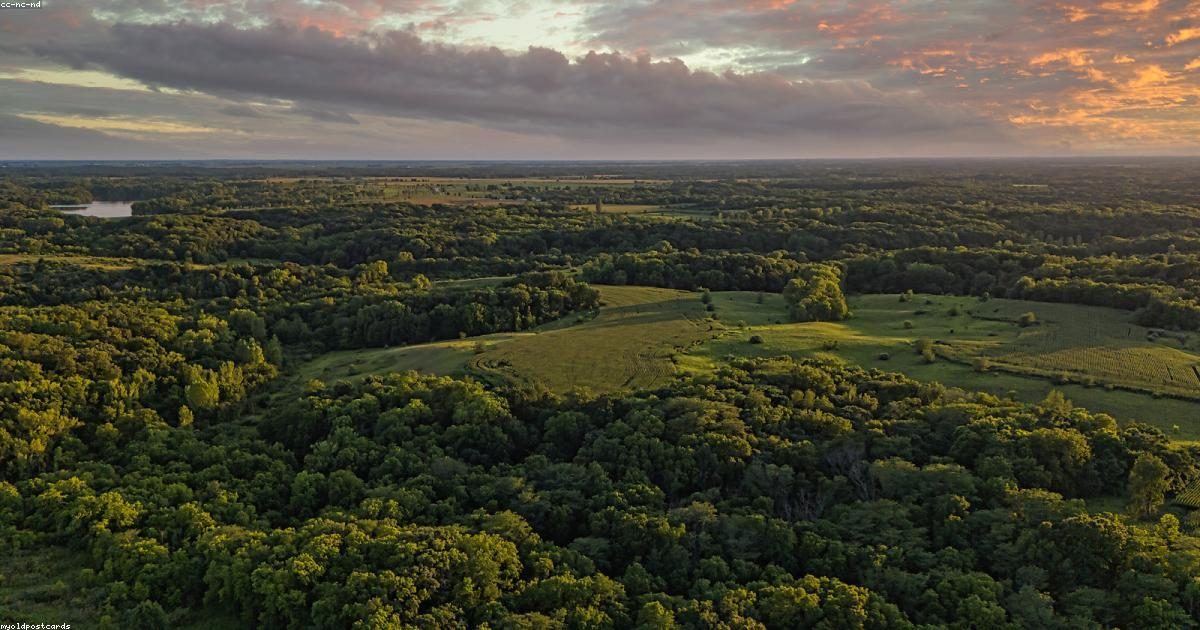
Aerial photography is heavily influenced by the atmosphere. Always check wind speeds (under 15 mph is ideal for most consumer drones), and aim to shoot during the golden hour — the first hour after sunrise or the last hour before sunset. The low, warm light casts long shadows and adds incredible depth and texture to landscapes viewed from above.
3. Plan Your Flight Path in Advance
Great aerial shots rarely happen by accident. Use apps like Google Earth, DJI Fly, or Litchi to scout your location virtually before you arrive. Identify interesting landmarks, natural patterns, and potential obstacles. A little pre-planning means more time shooting and less time wandering aimlessly with a dwindling battery.
4. Master the Rule of Thirds — From the Sky
Composition principles don't disappear just because you're shooting from 200 feet up. Enable your drone camera's grid overlay and consciously place key subjects — a winding river, a lone tree, a coastal cliff — along the grid lines or at their intersections. This simple habit transforms a snapshot into a compelling photograph.
5. Shoot in RAW Format
If your drone supports RAW capture, always use it. RAW files retain far more image data than JPEGs, giving you dramatically more control over exposure, white balance, and color grading in post-processing. The extra file size is absolutely worth it when you're pulling detail out of highlights or recovering shadow information.
6. Experiment with Altitude and Angles
Don't just hover at one height and call it done. Try these perspectives:
- Directly overhead (nadir shot): Creates striking, abstract patterns from roads, fields, and architecture.
- Low and angled: Mimics a dramatic cinematic feel, especially powerful over water or open terrain.
- Mid-altitude with a slight tilt: The classic aerial view that still shows context and depth beautifully.
Moving between altitudes during a single session often yields your most unexpected and memorable frames.
7. Use ND Filters for Smoother Exposures
Neutral density (ND) filters are a drone photographer's best friend in bright conditions. They reduce the amount of light entering the lens, allowing you to use a slower shutter speed for smoother motion blur on moving subjects like waves or waterfalls — and they help you maintain the cinematic 180-degree shutter rule if you shoot video alongside stills.
8. Keep Your Horizon Level
A tilted horizon is one of the most distracting errors in aerial photography. Most drone cameras offer horizon leveling tools, but always double-check in your live view before pressing the shutter. A straight horizon signals professionalism and keeps the viewer's eye focused on your subject rather than correcting for visual discomfort.
9. Embrace Negative Space
The sky, open water, and vast fields of color are your friends from above. Placing your subject against a large expanse of a single color or texture — a bright green field, a calm ocean, a snowy plain — creates a powerful, minimalist composition that feels intentional and sophisticated. Less is genuinely more at altitude.
10. Fly Legally and Responsibly
This tip isn't just practical — it protects the entire drone photography community. Always follow your country's aviation regulations (in the US, that means registering with the FAA and respecting no-fly zones). Respect people's privacy, avoid flying over crowds, and be a considerate presence wherever you fly. Responsible pilots keep our airspace open for everyone.
Ready for Takeoff?
Aerial drone photography rewards patience, curiosity, and a willingness to experiment. Every flight is a chance to discover a perspective that no one has quite captured before. Start with these fundamentals, push your creative boundaries gradually, and don't be afraid to make mistakes — some of the most stunning shots come from happy accidents at altitude. Now get out there and show the world what it looks like from above.