
Building Your Photography Kit the Right Way
Whether you just unboxed your first camera or you've been shooting for years, the gear you carry can make a real difference in the quality and consistency of your work. The good news? You don't need to spend a fortune to build a capable, versatile kit. You just need to invest in the right things, in the right order.
Let's walk through the essential camera gear every photographer should own — practical tools that deliver genuine value, no matter your subject or style.
The Camera Body: Your Creative Foundation
It almost goes without saying, but your camera body is where everything starts. Whether you shoot with a mirrorless system, a DSLR, or even a high-end compact, choose a body that feels comfortable in your hands and matches your shooting goals. Don't get too caught up chasing megapixels — modern sensors across all price ranges are remarkably capable. Focus instead on ergonomics, battery life, and the lens ecosystem available for that mount.
Lenses: Where the Real Magic Happens
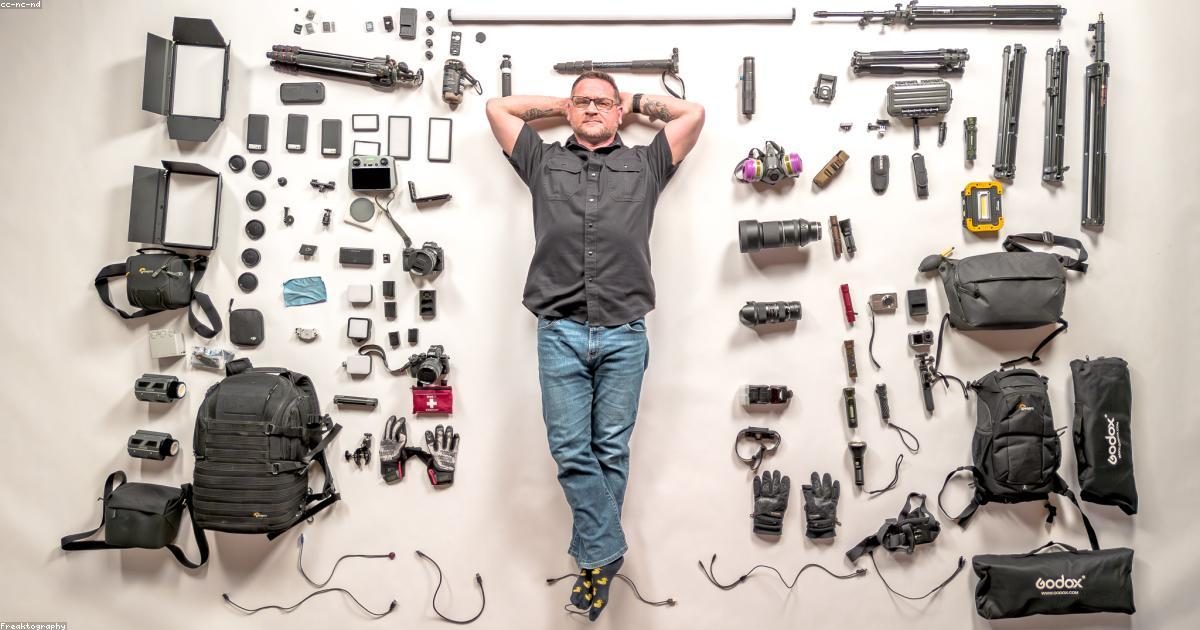
Experienced photographers will tell you: invest in glass before you invest in bodies. Lenses stay with you for decades; camera bodies come and go. Here are three lenses that form the backbone of almost any photographer's kit:
- A versatile zoom lens (24-70mm or kit equivalent): Your everyday workhorse. Great for travel, events, portraits, and street photography.
- A fast 50mm prime (f/1.8): Affordable, sharp, and brilliant in low light. The 50mm trains your eye and produces gorgeous, natural-looking images.
- A telephoto zoom (70-200mm or similar): Essential for sports, wildlife, concerts, or any situation where you can't get physically close to your subject.
You don't need all three on day one — start with a zoom and a fast prime, then grow from there.
Support and Stability
A Sturdy Tripod
A good tripod is one of the most underrated pieces of gear a photographer can own. Long exposures, landscapes, astrophotography, product shots, and video work all demand stability that handheld shooting simply can't provide. Look for a tripod with a ball head, solid build quality, and a weight capacity well above your heaviest camera-and-lens combination. Carbon fiber models are lighter but pricier; aluminum is affordable and plenty durable for most shooters.
A Camera Strap or Harness
Your camera is an investment — protect it. A comfortable, well-made strap keeps your gear secure and reduces fatigue during long shooting sessions. Peak Design straps and BlackRapid harnesses are popular choices among professionals, but even a quality third-party strap is far better than the basic one that came in the box.
Storage and Power
Nothing is more heartbreaking than a dead battery or a full memory card at the decisive moment. Stock up on these essentials:
- Extra batteries (at least two spares): Cold weather, heavy video use, and long days in the field will drain power faster than you expect.
- Fast, high-capacity memory cards: Invest in reputable brands like SanDisk, Lexar, or Sony. A card failure can mean lost images — don't cut corners here.
- A reliable card reader: Transferring images via a dedicated card reader is faster and safer than plugging your camera directly into a computer.
Lens Filters: Small but Mighty
A few well-chosen filters can open up creative possibilities that no amount of post-processing can replicate. A circular polarizer (CPL) reduces glare, deepens skies, and cuts reflections on water — it's practically essential for landscape photographers. A set of neutral density (ND) filters lets you use slower shutter speeds in bright conditions, perfect for silky waterfalls or cinematic video. And always keep a basic UV or clear protective filter on each lens to guard that front element from dust and scratches.
A Quality Camera Bag
Your gear deserves a home that protects it during transport. A good camera bag isn't just about capacity — it's about organization, weather resistance, comfort, and discretion. Backpack-style bags are ideal for hiking and travel; shoulder bags offer quick access for street and event work. Whatever style you choose, make sure it has padded, customizable dividers and enough room to grow with your kit.
Start Smart, Grow Steadily
Building a great photography kit is a journey, not a single shopping trip. Start with the essentials — a solid body, a versatile lens, a tripod, and reliable storage — then add thoughtfully as your skills and needs evolve. The best gear is the gear you actually use, so choose tools that inspire you to get out and shoot more often. Happy shooting!