
Why Composition Is the Foundation of Great Photography
You can have the most expensive camera on the market, but without a strong sense of composition, your images will fall flat. Composition is the language through which your photograph speaks — it guides the viewer's eye, creates emotion, and transforms an ordinary scene into something worth stopping for. The good news? These principles are learnable, and once you internalize them, they become second nature.
The Rule of Thirds
If you're just starting out, the rule of thirds is the single most impactful technique you can learn today. Imagine dividing your frame into a 3x3 grid — two horizontal lines and two vertical lines creating nine equal sections. The idea is simple: place your most important subjects or horizon lines along these lines, and position key focal points near the four intersections, often called "power points."
Most cameras and smartphones have a grid overlay option in their viewfinder or live view — turn it on. You'll quickly notice how off-center placement creates more dynamic, engaging images compared to simply centering everything. That said, centering can work beautifully for symmetry, so understand the rule before you break it.
Leading Lines
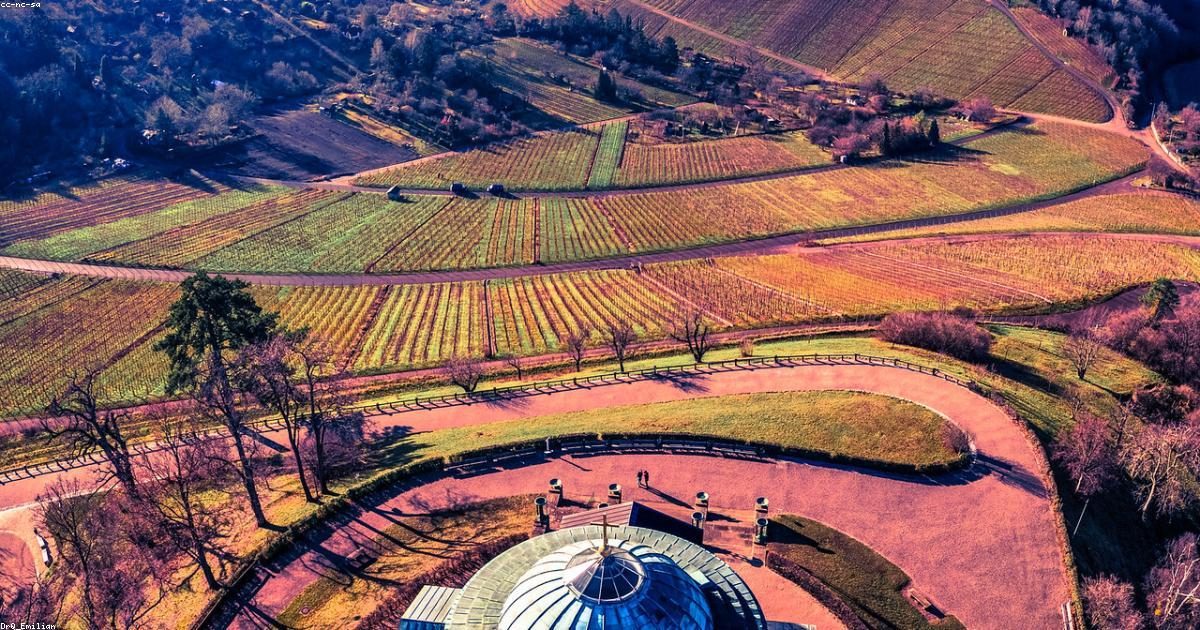
Our eyes naturally follow lines, and great photographers use this to their advantage. Leading lines draw the viewer into the scene and guide them toward the main subject. Look for lines in your environment — roads, fences, rivers, staircases, architectural edges, even rows of trees. Position these lines so they flow from the edges or corners of the frame toward your subject.
Leading lines add depth, energy, and a sense of journey to your images. A winding path disappearing into a misty forest doesn't just show a scene — it invites the viewer to walk into it.
Framing Within the Frame
One of the most powerful compositional tools is using elements within your scene to create a natural frame around your subject. Doorways, windows, archways, overhanging branches, cave openings — all of these can act as secondary frames that isolate your subject and add layers of depth to the image.
This technique also works brilliantly for storytelling, adding context and environment while keeping focus exactly where you want it. Next time you're on a shoot, pause and look for natural frames hiding in plain sight.
Negative Space and Simplicity
Sometimes what you leave out of a photo is just as important as what you leave in. Negative space — the empty area surrounding your subject — gives the eye room to breathe and allows your subject to truly stand out. A lone figure against a vast sky, a single flower against a clean white wall — these images communicate with striking clarity.
Don't feel pressured to fill every corner of your frame. Embracing simplicity is a mark of a confident photographer, and it often produces the most emotionally resonant images.
Symmetry and Patterns
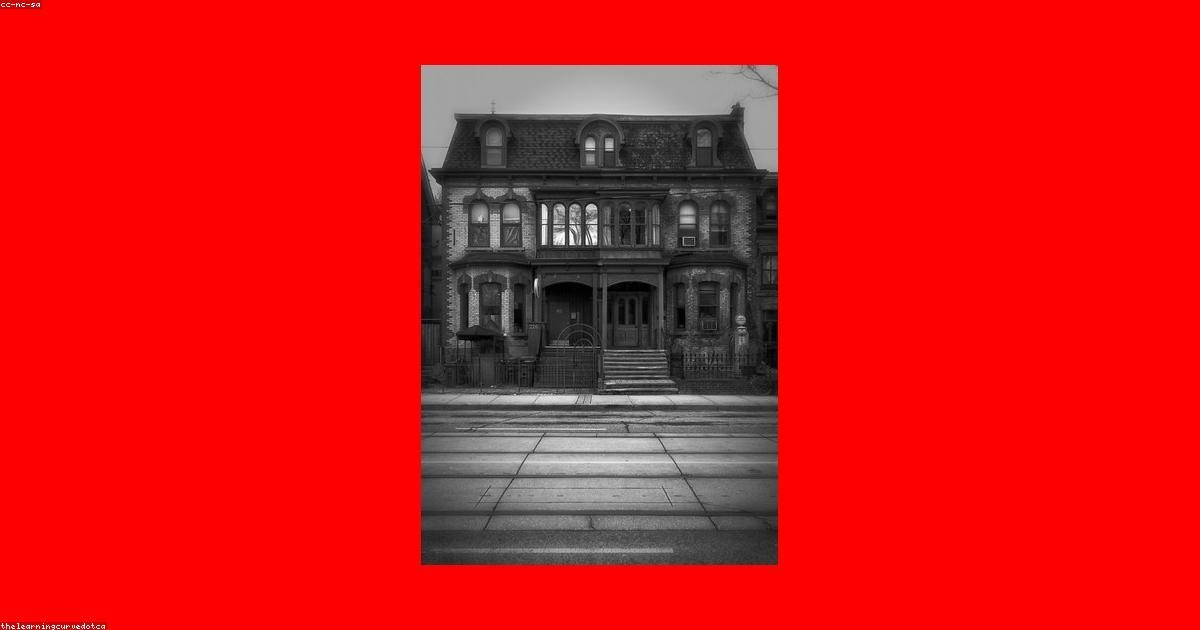
Humans are wired to find pleasure in symmetry and repetition. When you spot a perfectly mirrored reflection, a repeating geometric pattern in architecture, or rows of identical elements, use it deliberately. Symmetrical compositions feel balanced, calm, and satisfying.
Patterns, on the other hand, are especially powerful when broken — a single red flower in a field of white creates instant tension and a natural focal point. Train your eye to spot both harmony and disruption in patterns around you.
Depth and Layers
Flat images can feel lifeless. Adding foreground, midground, and background elements to your composition creates a three-dimensional sense of depth that pulls viewers in. A landscape shot becomes far more immersive when wildflowers in the foreground frame a mountain range in the distance.
To emphasize depth, try shooting from a lower angle, using a wide-angle lens, or deliberately including interesting foreground elements during your scene planning.
Practical Tips to Build Your Eye
- Shoot deliberately: Before pressing the shutter, pause and ask yourself why you're framing the shot this way.
- Review critically: After each shoot, analyze what worked and what didn't — composition-first thinking grows fast with reflection.
- Study great work: Browse photography communities, galleries, and platforms like WorldWebX to see how skilled photographers apply these principles.
- Experiment freely: Break rules on purpose. Sometimes the best image comes from ignoring every guideline on this list.
Composition Is a Conversation
Think of composition not as a rigid rulebook, but as a set of tools in your creative kit. Some images call for bold leading lines and dramatic framing; others shine through quiet simplicity. The more you practice, the more instinctively you'll know which tools to reach for — and when to invent entirely new ones. Keep shooting, keep exploring, and trust your growing eye.