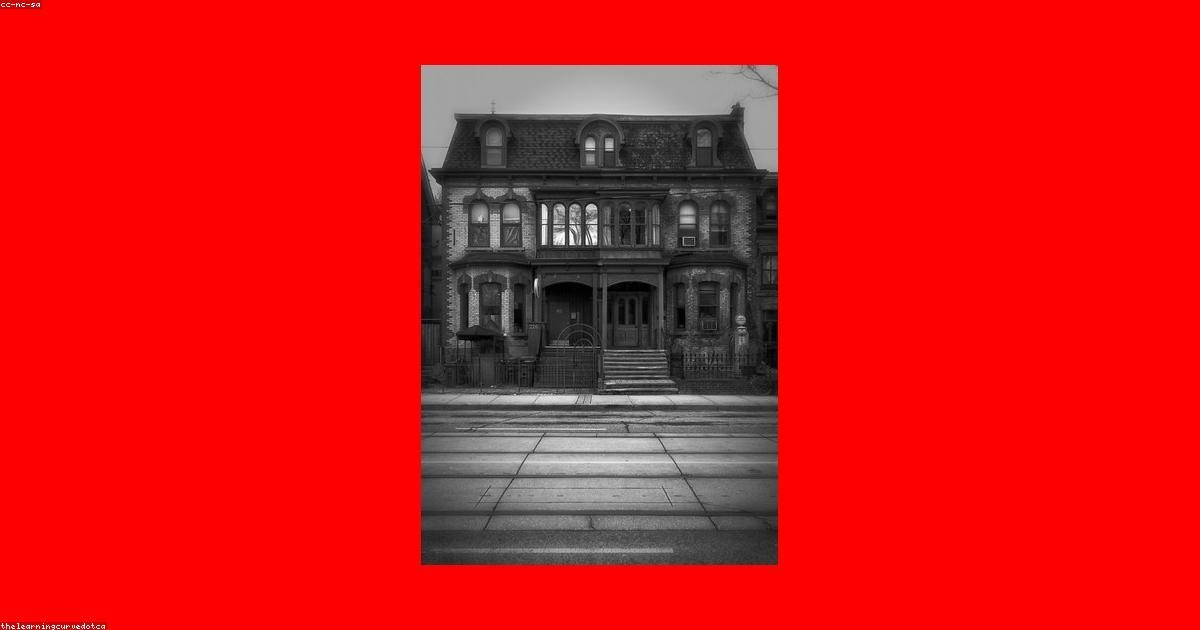

The City as Your Canvas
Urban environments are a photographer's playground. Streets buzzing with life, towering architecture, unexpected bursts of color on a weathered wall — cities offer an almost overwhelming abundance of visual stories waiting to be told. Whether you're stepping out with your first camera or you've been shooting for years, urban photography has something fresh to offer every time you venture out. The key is knowing how to look, and this guide will help you do exactly that.
Finding Your Light in the Concrete Jungle
Light behaves differently in cities than in open landscapes. Buildings channel and bounce sunlight in fascinating ways, creating dramatic shadows and brilliant highlights that shift throughout the day. The golden hours — shortly after sunrise and just before sunset — bathe urban scenes in warm, flattering tones that make even ordinary streets look cinematic. But don't overlook midday light either. Harsh overhead sun creates bold, graphic shadows that can add real punch to architectural shots.
Night is where urban photography truly comes alive. Neon signs, streetlamps, car light trails, and illuminated storefronts turn the city into a glittering stage. Use a tripod to keep things sharp during longer exposures, and experiment with shutter speeds between 2 and 15 seconds to capture silky smooth light trails from passing traffic.
Essential Techniques for Every Skill Level
Composition Is Everything
Cities are full of natural compositional tools. Use them deliberately:
- Leading lines: Roads, railway tracks, bridges, and rows of lampposts naturally draw the viewer's eye deep into the frame.
- Framing: Archways, doorways, and tunnel entrances create a frame within your frame, adding depth and focus.
- Symmetry and patterns: Look up at building facades, down at tiled pavements, or across a row of identical windows for satisfying geometric compositions.
- Rule of thirds: Place your main subject off-center to create more dynamic, engaging images.
Embrace the Human Element
A city without people is just architecture. Including human subjects — whether sharply focused or blurred in motion — adds life, scale, and narrative to your images. Busy crosswalks, market stalls, and public transport hubs are ideal spots. You don't need to photograph faces; a lone figure walking away down a rain-soaked alley can be just as compelling as a detailed portrait.
If you're nervous about photographing strangers, start by capturing people from a distance or using a longer focal length. As your confidence grows, try engaging with your subjects. A smile and a brief explanation of your project can open doors you never expected.
Work the Weather
Overcast days are underrated by many photographers, but experienced urban shooters know the value of soft, diffused light — no harsh shadows, and colors appear rich and saturated. Rain transforms the city entirely. Wet pavements become reflective mirrors, doubling your compositions and adding a moody, atmospheric quality that dry streets simply can't match. Keep a lens cloth handy and embrace the elements.
Gear Tips for Urban Shooting
You don't need an expensive kit to shoot great urban photography. A mirrorless or DSLR camera with a versatile zoom lens, such as a 24-70mm equivalent, covers a wide range of scenarios. Many photographers swear by a compact prime lens — a 35mm or 50mm — for its light weight and ability to blend into busy environments. And never underestimate your smartphone; modern mobile cameras are remarkably capable and let you shoot discreetly in any situation.
- Pack light so you can move freely and stay mobile.
- Carry a small tripod or a gorilla-pod for low-light and long-exposure work.
- Use a camera strap that keeps your gear secure but accessible.
- Fully charge your batteries — cities can pull you in for hours.
Stay Safe and Stay Legal
Urban photography comes with a few practical considerations. Always be aware of your surroundings, especially when you're focused on your viewfinder. Know the photography laws in your area — in most public spaces you're free to photograph freely, but private property is a different matter. If you're shooting in busy areas, keep your camera close and your bag secure. A confident, purposeful demeanor goes a long way toward keeping you comfortable and safe.
Go Out and Shoot
The best thing about urban photography is that your location is never an obstacle. Every city, town, and neighborhood has visual stories worth telling. Don't wait for perfect conditions or the ideal gear — grab your camera, step outside, and start exploring the streets around you. You'll be amazed at what you find when you start looking with a photographer's eyes.